

-
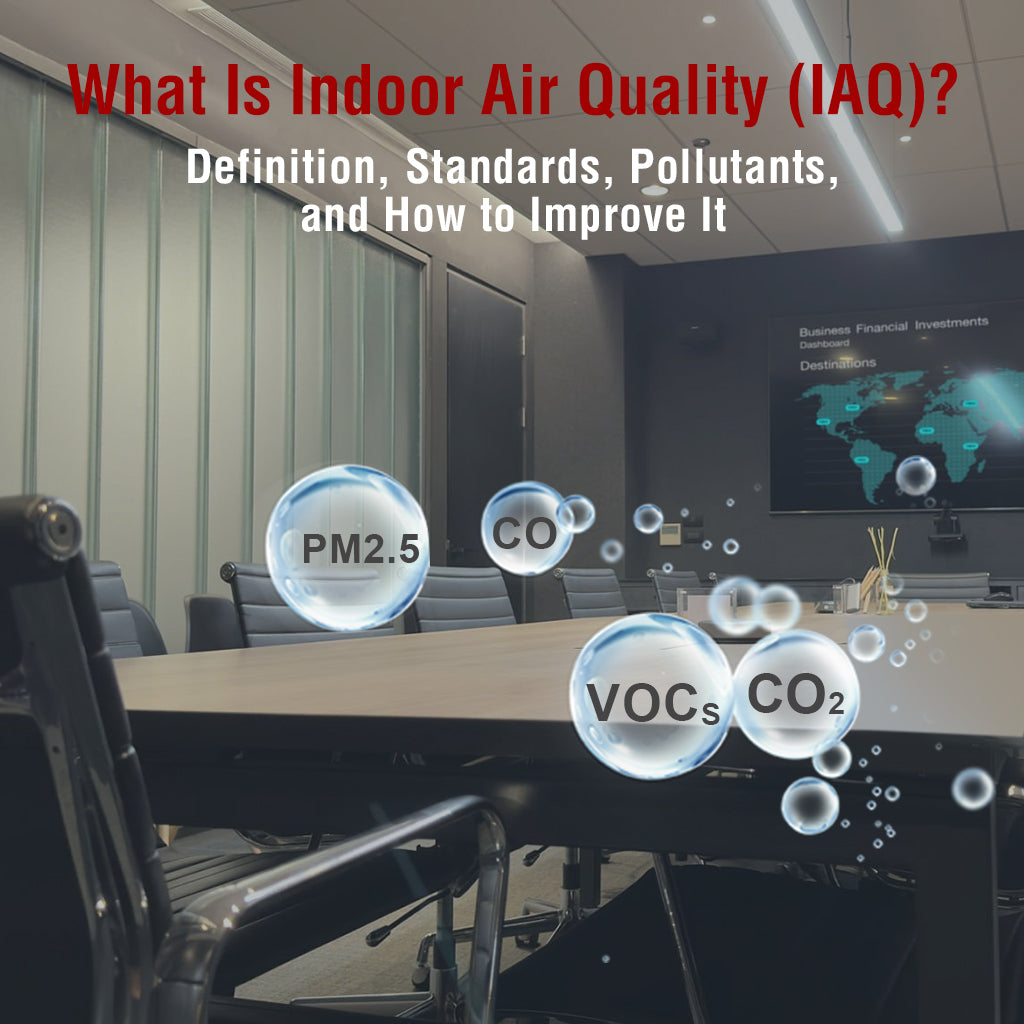
What Is Indoor Air Quality (IAQ)? Definition, Standards, Pollutants, and How to Improve It
What Is Indoor Air Quality (IAQ)? Indoor Air Quality (IAQ) refers to the quality of air inside buildings and enclosed spaces, especially as it relates to the health, comfort, and well-being of occupants. IAQ is influenced by indoor pollutants, ventilation rates, humidity, temperature, and building materials. We spend most of our time indoors, whether in our homes, offices, shopping malls, restaurants, or other public environments.... -
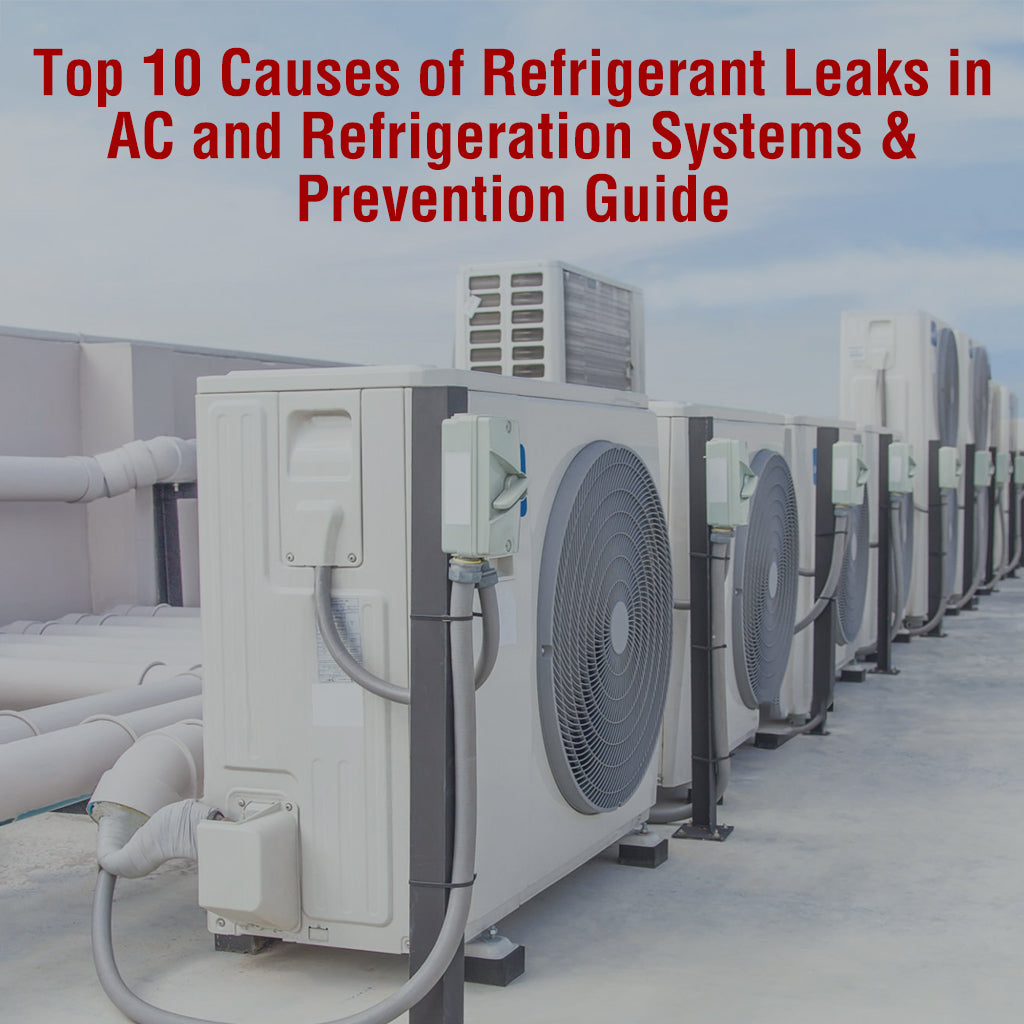
Top 10 Causes of Refrigerant Leaks in AC and Refrigeration Systems & Prevention Guide
Refrigerant leaks are among the most common issues in air conditioning and refrigeration systems. They not only reduce cooling efficiency and increase energy consumption, but can also damage compressors and pose environmental hazards. For HVAC technicians and facility managers, understanding the root causes of leaks is key to effective maintenance and fast repairs. This article will explore the main causes of refrigerant leaks and... -

How to Prevent Cold Chain Breaks: 5 Key Criteria for Choosing a Temperature Data Logger
In cold chain management, even a brief temperature excursion can mean an entire batch of pharmaceuticals becoming unusable, food spoiling, or high‑value raw materials being scrapped. This risk—commonly referred to as a cold chain break—doesn’t just cause direct financial losses; it can also trigger regulatory penalties and long‑term damage to brand reputation. Choosing a reliable temperature data logger is the first and most critical step in... -
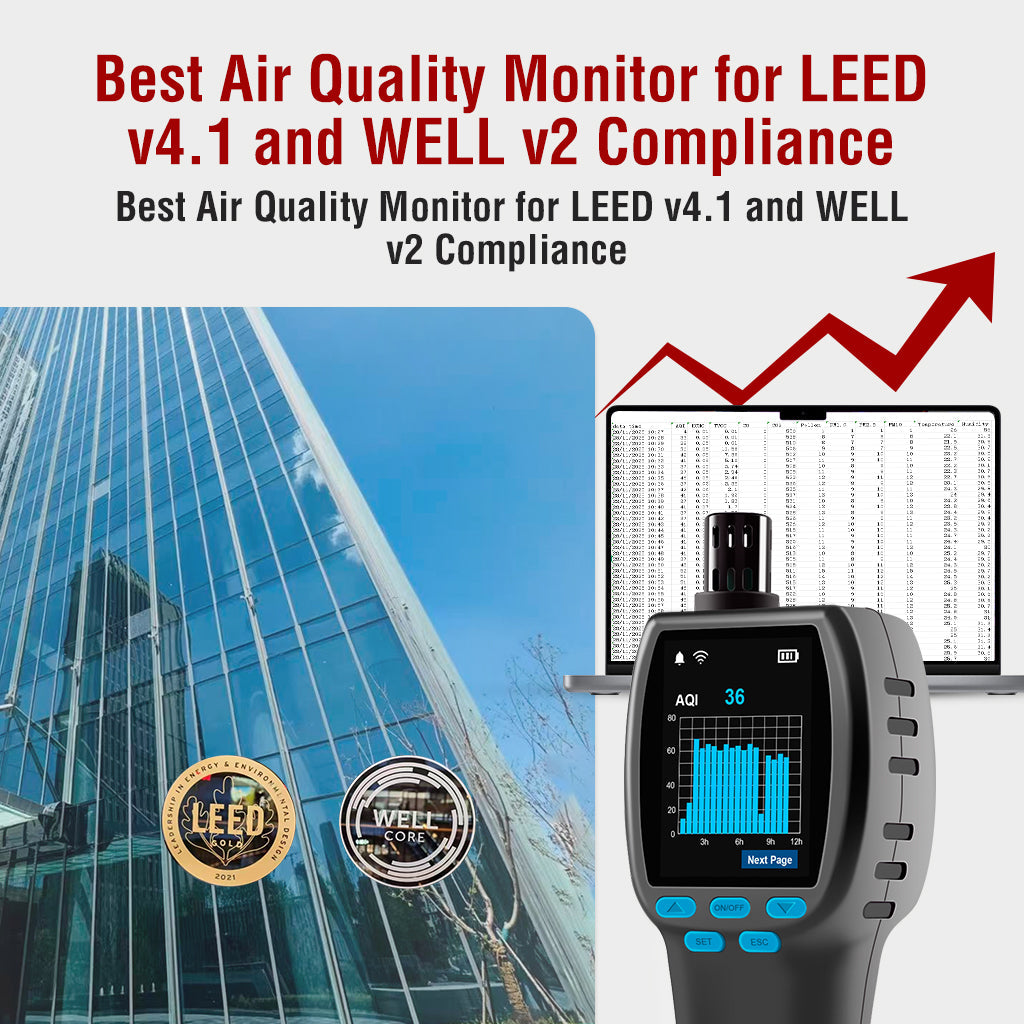
Best Air Quality Monitor for LEED v4.1 and WELL v2 Compliance (2026 Guide)
If you're working on a commercial building project in the U.S., meeting indoor air quality (IAQ) requirements under LEED v4.1 or WELL v2 is no longer optional — it’s expected. Whether you're a sustainability consultant, facility manager, commissioning agent, or school administrator, you’ve probably asked: What air quality parameters are required for LEED or WELL? Do we need continuous monitoring? How much historical data... -
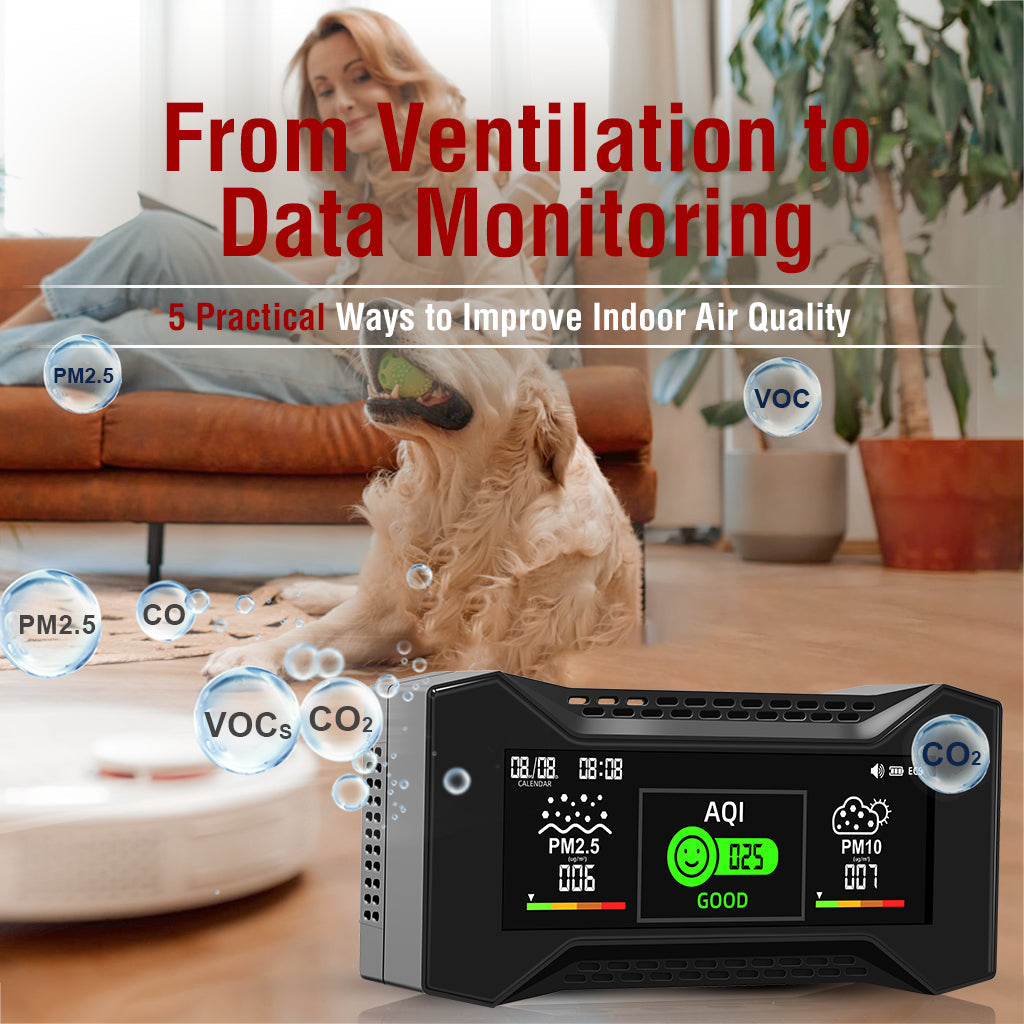
From Ventilation to Data Monitoring: 5 Practical Ways to Improve Indoor Air Quality
The Invisible Threat to Your Health Did you know that indoor air pollution can be 2–5 times more severe than outdoor pollution? Indoor air quality has a direct impact on our health, sleep quality, and overall comfort. Pollutants such as formaldehyde, dust, pollen, pet dander, and volatile organic compounds (VOCs) often exist silently inside our homes. The good news is that improving indoor air... -
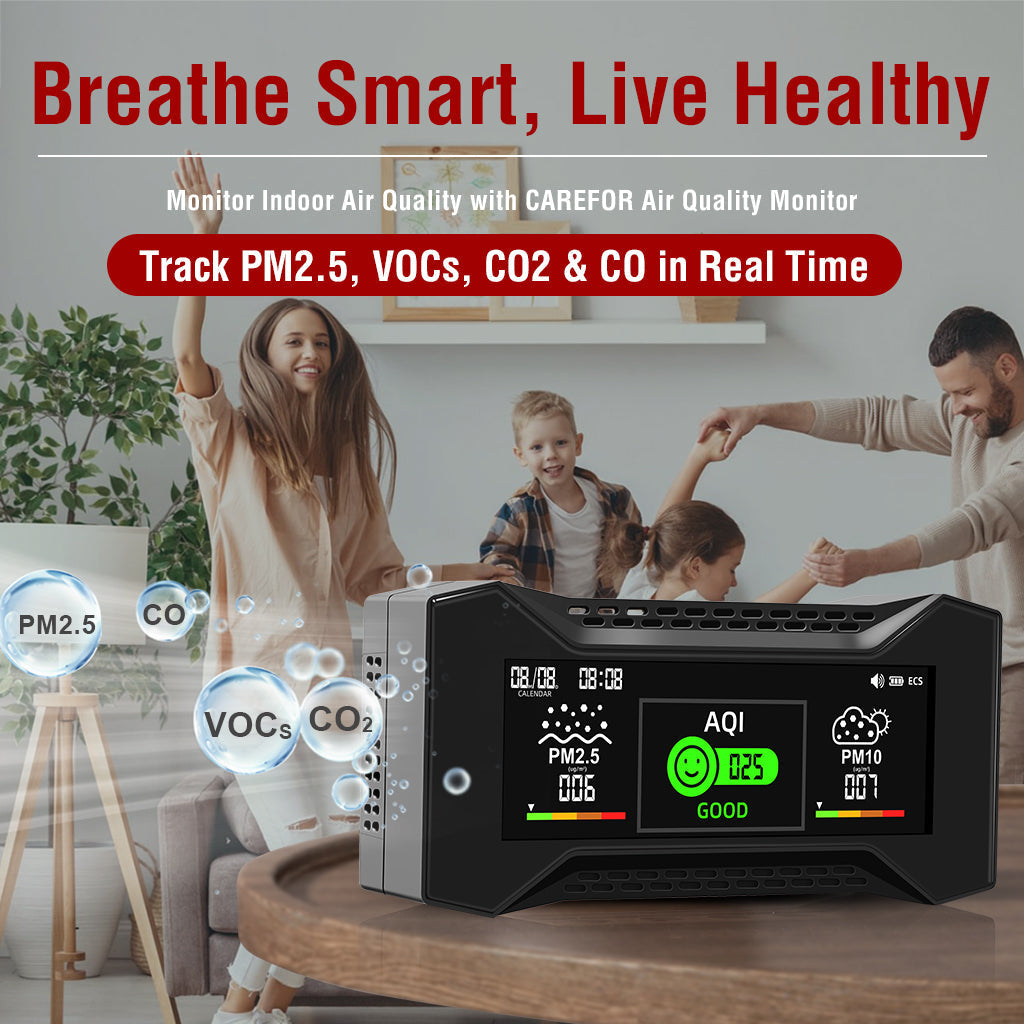
Why Is an Air Quality Monitor Essential for Your Home and Office?
Do you know that the air inside your home or office can be 2 to 5 times more polluted than the air outside, according to the EPA? We spend over 90% of our time indoors, yet tiny, invisible pollutants quietly affect our health, sleep, and even work performance. Imagine this: while you’re cooking dinner, your PM2.5 levels spike without you noticing; or your child is...

